
Understanding Sleep Quality and Common Disruptors
Sleep quality is about more than just the number of hours you spend in bed—it\’s how restful and restorative that sleep actually is. Several key factors affect how well we sleep, including blood sugar fluctuations, stress hormones like cortisol, melatonin production, and those frustrating nighttime awakenings that leave us feeling tired the next day.
One overlooked aspect is the role of liver glycogen, which acts as a vital fuel source for the brain during sleep. When liver glycogen stores dip too low, the body may trigger stress responses, releasing cortisol and adrenaline. This not only disrupts your sleep but can also lead to wakefulness in the middle of the night.
Modern lifestyles often make restful sleep a challenge. Irregular meal times, high sugar intake, chronic stress, and exposure to screens late at night all interfere with natural melatonin rhythms and blood sugar balance. This combination creates a perfect storm for poor sleep quality, leaving many reaching for quick fixes rather than addressing the root causes.
Recognizing these common disruptors is the first step. Stabilizing blood sugar, managing stress hormones, and supporting natural melatonin production are essential for better sleep—and natural honey before bed can play a surprising role in this process.
The Science Behind Honey and Better Sleep
Natural honey plays a unique role in improving sleep quality thanks to its natural sugars, which help replenish liver glycogen stores. This is important because when liver glycogen is low, your body can release stress hormones like cortisol and adrenaline, which cause nighttime awakenings and restless sleep. A spoonful of honey before bed can prevent these spikes, helping you stay relaxed through the night.
Honey also triggers an insulin response that boosts the uptake of tryptophan in the brain. Tryptophan is an amino acid that converts into serotonin and then melatonin—two key chemicals that regulate mood and promote restful sleep. This natural process makes honey a gentle melatonin boost, setting the stage for better sleep without any harsh sedatives.
On top of that, honey’s antioxidant and anti-inflammatory properties support the body’s repair and recovery processes while you rest. This not only promotes relaxation but may reduce issues like coughing that can disrupt sleep.
Several studies have highlighted honey’s benefits in extending sleep duration and improving sleep quality. For example, research shows that honey before bed can reduce nighttime awakenings and help people fall asleep faster, making it a natural remedy for poor sleep in many cases.
For those interested, you might explore natural honey’s role in crafted bedtime rituals that combine it with soothing drinks or snacks—a simple way to enhance its calming effects. For more ideas on incorporating natural ingredients into daily routines, check out these practical ways to bring new life to old habits.
Choosing the Right Honey for Sleep Benefits
Not all honey is created equal when it comes to improving sleep quality. Selecting the right type can make a real difference in your natural sleep aid honey routine.
| Honey Type | Sleep Benefits | Notes |
|---|---|---|
| Raw, Unfiltered Honey | Rich in enzymes, antioxidants, and nutrients that support relaxation and recovery | Retains natural sugars that help replenish liver glycogen |
| Processed Honey | Often pasteurized, losing many beneficial compounds | Less effective for sleep enhancement |
| Manuka Honey | Contains special antibacterial compounds and antioxidants | May offer extra support for inflammation and restful sleep |
Why Purity Matters
Pure, high-quality honey ensures you get natural sugars that help stabilize blood sugar and boost melatonin through insulin response. Honey sourced from trusted, organic beekeepers typically contains more active compounds and fewer additives or contaminants.
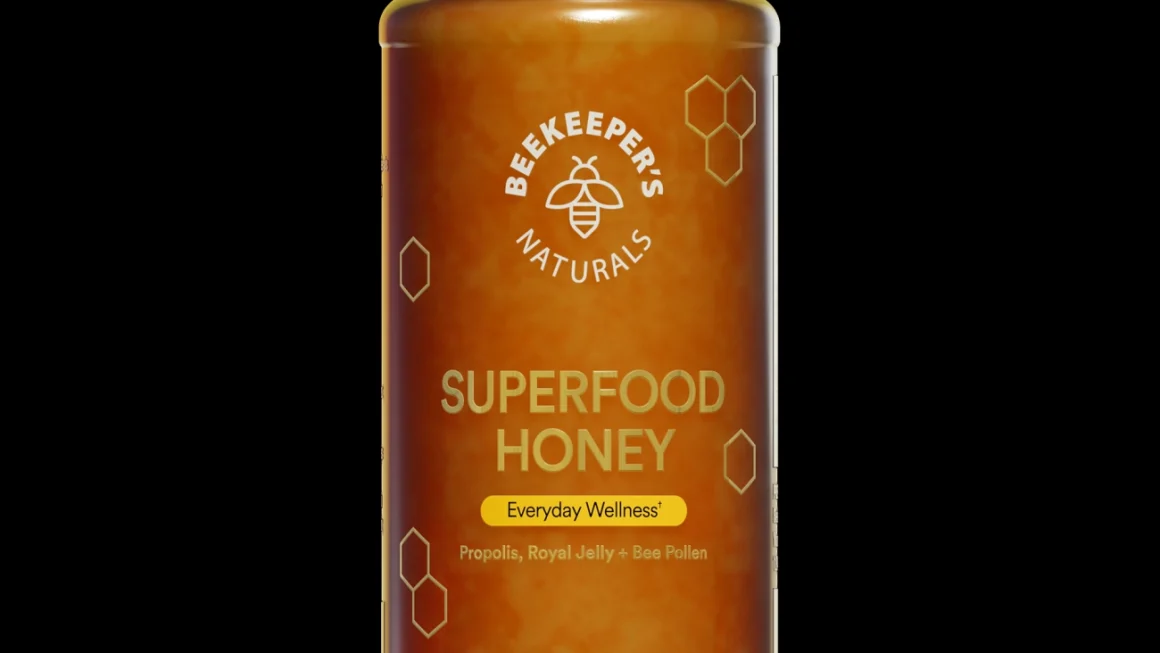
When shopping, look for labels indicating raw, unfiltered, and organic honey. This preserves the tryptophan and antioxidant content that directly contribute to better sleep.
For those curious about lifestyle habits complementing your honey bedtime routine, exploring tips on how to choose your home decor can help build a relaxing sleep environment, enhancing overall rest.
Practical Ways to Incorporate Honey into Your Bedtime Routine
To enjoy natural sleep aid honey benefits, try taking 1-2 teaspoons of honey about 30-60 minutes before bed. This timing helps stabilize blood sugar and supports your body’s melatonin release for better rest.
Here are some simple, effective ways to include honey in your nightly ritual:
- Straight from the spoon, optionally with a pinch of sea salt to balance flavors and support mineral intake.
- Warm milk and honey is a classic combo that promotes relaxation and can gently boost serotonin and melatonin.
- Adding honey to herbal teas like chamomile or lavender enhances its soothing effects, helping reduce nighttime awakenings.
- Mix honey into warm water, with or without a splash of lemon, for a gentle, hydrating treat before sleep.
- Pair honey with calming foods like banana or almond butter, which contain magnesium and tryptophan, further supporting restful sleep.
To create a lasting sleep ritual, keep your routine consistent, dim the lights, and avoid screens before bed. These calming habits, combined with a spoonful of honey bedtime routine, can prepare your body and mind for a peaceful night.
For more ideas on crafting calming nightly habits, consider tips for creating a cozy and relaxed environment like those found in tips for creating a cottage-style home, helping set the stage for natural, restorative sleep.
Potential Precautions and Considerations
While honey offers natural sleep aid benefits, it’s important to know who should avoid or limit its use. Infants under 1 year should never be given honey due to the risk of botulism. People with diabetes should be cautious as honey affects blood sugar levels and may disrupt glycemic control.
After enjoying a spoonful of honey at bedtime, practicing good dental hygiene is key to prevent cavities, since honey contains natural sugars that can feed bacteria overnight.
If you have chronic sleep problems, it’s best to consult a healthcare provider rather than relying solely on honey. Remember, honey should complement, not replace, established good sleep hygiene habits like consistent bedtime routines and reducing screen time. For more insights on balancing natural remedies with healthy lifestyle choices, check out this guide on natural health habits.
Complementary Natural Strategies for Enhanced Results
To get the most out of honey as a natural sleep aid, it’s best to combine it with other proven habits that boost sleep quality. Here are some simple but effective lifestyle tips to amplify your restful nights:
-
Stick to a consistent bedtime: Going to bed and waking up at the same time every day helps regulate your body’s internal clock and improves overall sleep quality.
-
Reduce screen time before bed: The blue light from phones and computers can disrupt melatonin production, making it harder to fall asleep even if you’ve taken honey before bed.
-
Include magnesium-rich foods: Magnesium plays a key role in relaxation and sleep. Foods like almonds, spinach, and pumpkin seeds can complement honey’s natural sleep benefits.
-
Create a calming bedtime ritual: Pair your spoonful honey nighttime routine with activities like reading or gentle stretches to signal your body it’s time to unwind.
-
Manage stress during the day: Stress hormones like cortisol can interfere with sleep, so practicing mindfulness or light exercise can support honey’s positive effects on sleep patterns.
Combining these habits with the natural sleep aid honey provides can effectively stabilize blood sugar sleep cycles and enhance melatonin boost honey naturally. For more ideas on maintaining a healthy lifestyle that supports restful sleep, you might find these self-care tips helpful.
FAQs About Honey and Sleep
Does honey really help you fall asleep faster?
Yes, many people find that honey acts as a natural sleep aid honey by stabilizing blood sugar and boosting melatonin production. The natural sugars in honey replenish liver glycogen, which can prevent cortisol spikes that often keep you awake.
How much honey should I take before bed?
A typical recommendation is 1–2 teaspoons of honey about 30 to 60 minutes before bedtime. This amount supports tryptophan uptake and serotonin conversion, helping with relaxation and a smoother transition to sleep.
Is raw honey better for sleep than regular honey?
Raw honey sleep benefits tend to be higher because it retains antioxidants and anti-inflammatory compounds lost during processing. Varieties like Manuka honey may offer additional restful sleep support due to unique bioactive components.
Can honey help with insomnia or nighttime awakenings?
Honey may reduce nighttime awakenings by providing a steady source of brain fuel and supporting melatonin release. Some studies also highlight honey’s role in soothing coughs, which can interfere with sleep.
Are there any side effects of eating honey at night?
For most people, honey before bed is safe. However, diabetics should be cautious due to blood sugar effects, and infants under 1 year should never consume honey. It’s also important to maintain good dental hygiene after enjoying honey at night.
For more detailed tips on natural remedies for poor sleep, check out our guide on healthy eating made easy with natural ingredients.